
Composite vs Wood Fence Louisiana: Home Guide
Composite vs Wood Fence for Louisiana Homes
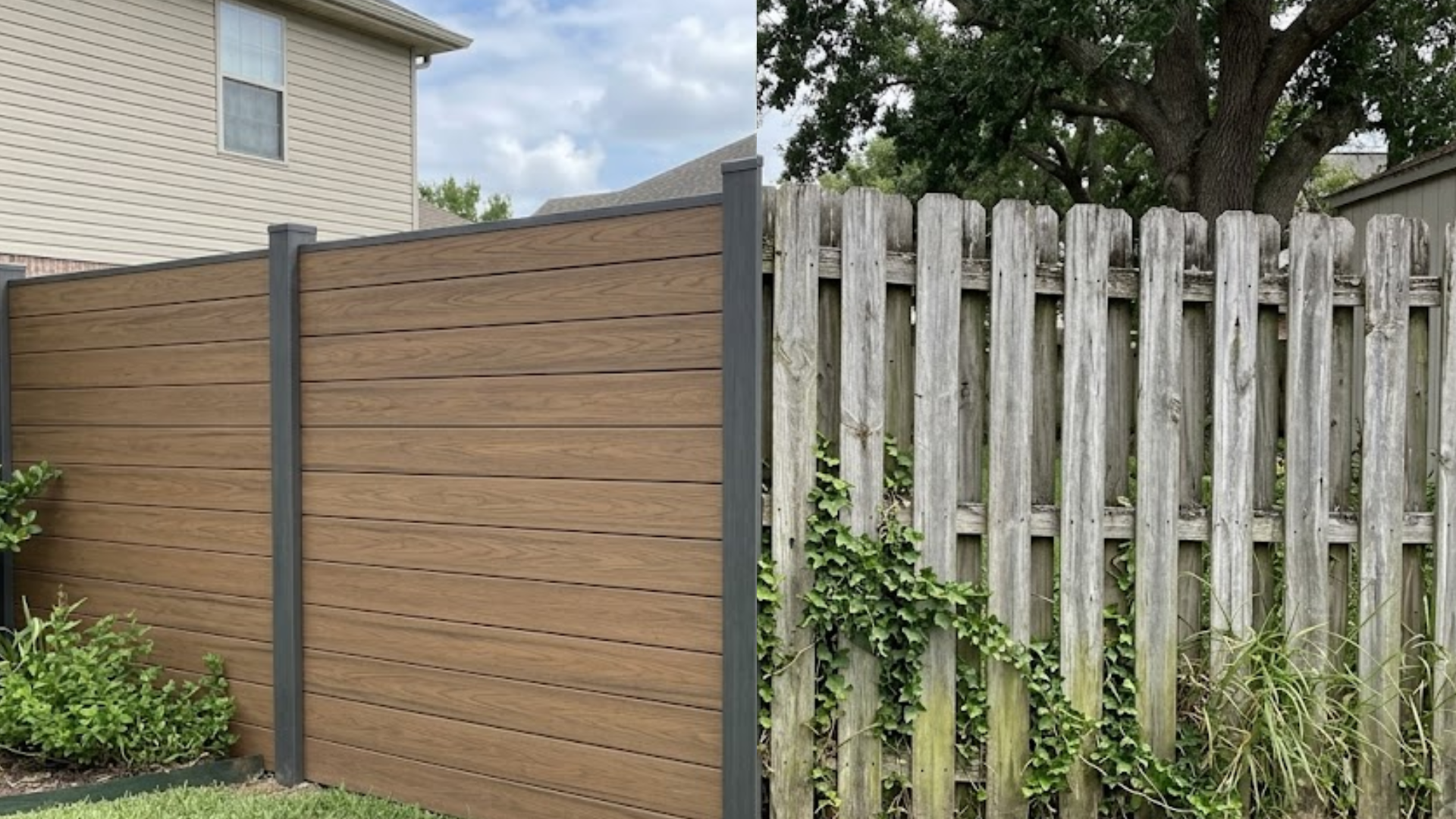
New Orleans homeowners often face the same fencing decision: stick with traditional wood or invest in composite materials. At first glance, wood looks more affordable and familiar, but Louisiana’s humidity, heavy rain, and heat can change how that choice holds up over time.
That’s where the real comparison starts. The difference between composite and wood isn’t just appearance—it’s about how each material performs in New Orleans conditions, how much upkeep they need, and what you end up paying over the years. Understanding these factors helps you choose a fence that actually lasts in this climate.
How Does Louisiana Weather Affect Fence Durability?
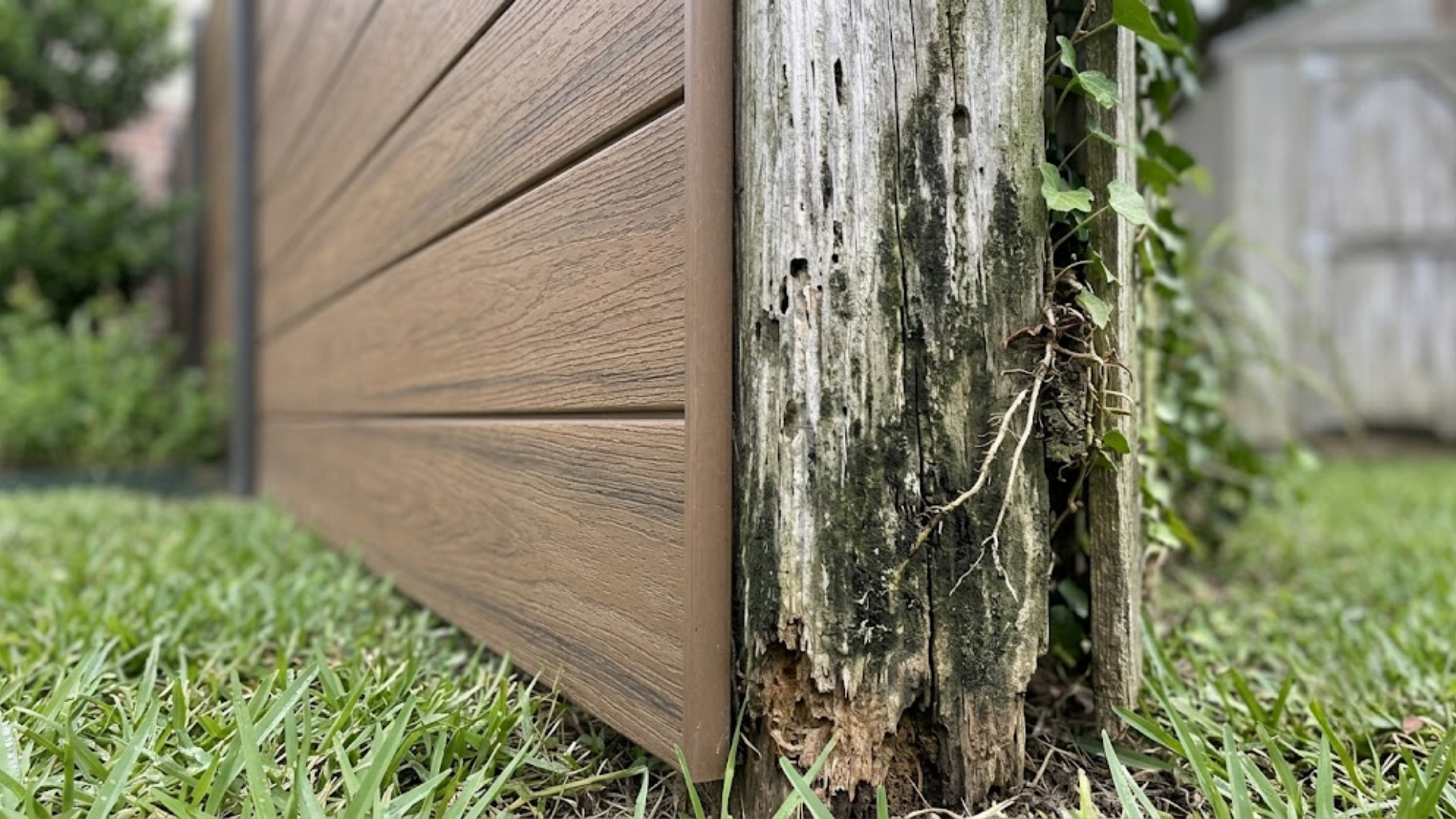
Moisture, Heat, and Storm Exposure
Louisiana weather is tough on exterior materials. High humidity, frequent rain, and hurricane-season winds all put pressure on fence systems. Wood tends to absorb moisture, which leads to warping, swelling, and rot over time. In contrast, composite materials are engineered to resist moisture absorption, which helps stabilize their structure even during long wet seasons.
For homeowners considering professional
Composite Fence Installation in New Orleans, this durability advantage is often the main reason they switch away from wood. It’s not just about looks—it’s about reducing weather-related damage year after year.
Long-Term Fence Stability
Over time, wood fences typically require board replacements, realignment, and occasional post resets. Composite fencing maintains its shape more consistently, even after repeated storms. This difference in fence durability becomes more noticeable as the years pass, especially in coastal areas like New Orleans.
What Are the Maintenance Costs of Composite vs Wood Fence Louisiana Options?
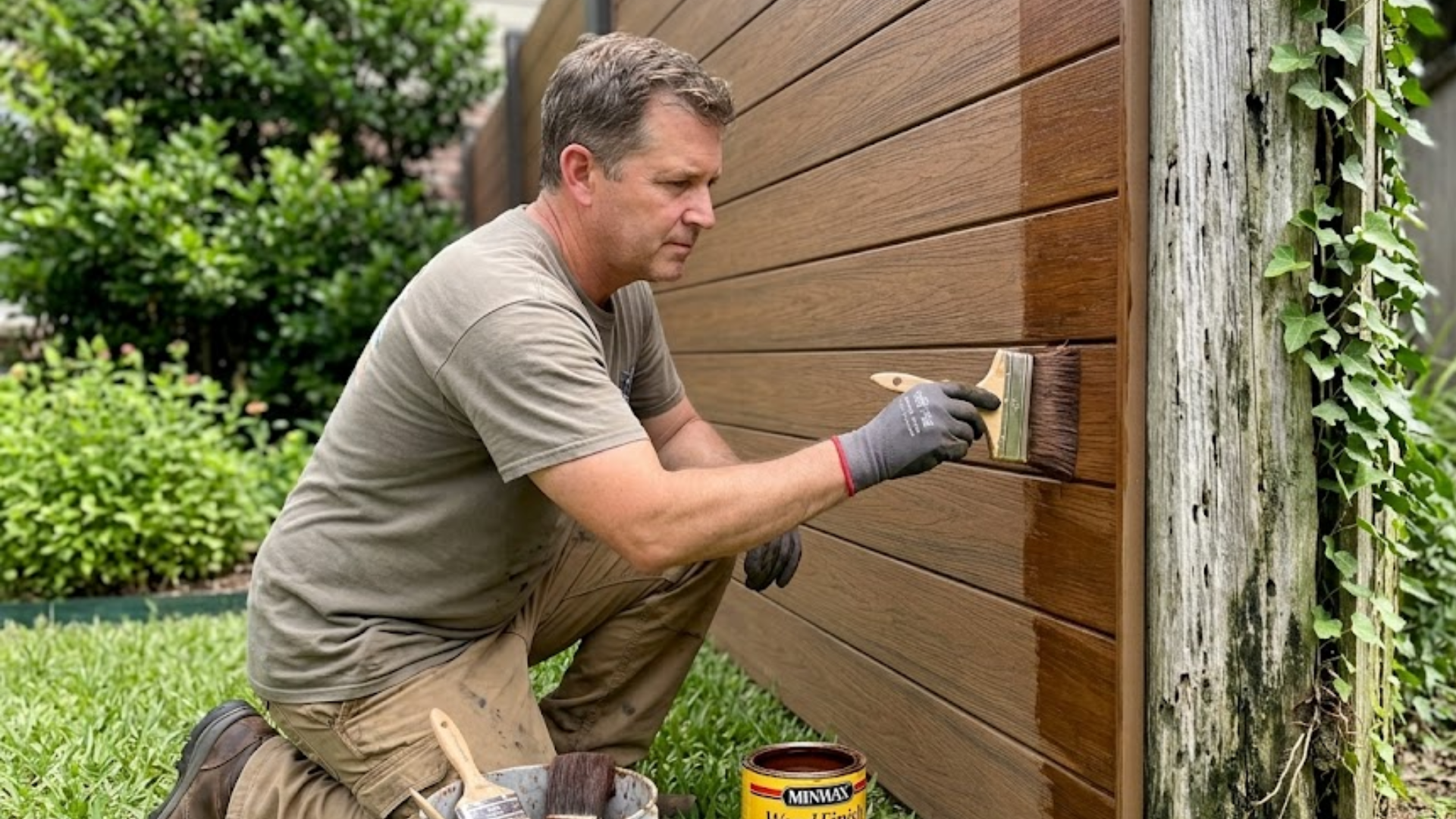
Ongoing Upkeep Requirements
Wood fences require regular sealing, staining, or painting to stay protected. Without this maintenance, they can deteriorate quickly in Louisiana’s climate. That upkeep adds both time and recurring costs for homeowners.
Composite fencing, on the other hand, requires minimal maintenance. A simple wash a few times a year is usually enough to keep it clean and in good shape. This difference in maintenance costs is one of the biggest deciding factors for many homeowners.
Repair Frequency and Replacement Cycles
Wood fences often need repairs after storms or seasonal wear. Boards loosen, crack, or rot and must be replaced individually. Over time, these small repairs add up.
Composite fences typically have fewer repair needs, which reduces long-term service calls. If you’re comparing options, checking out
Custom Fence Design in New Orleans can help you understand how both materials perform when tailored to your property layout and exposure level.
Can Custom Fence Design Improve Performance and Style?
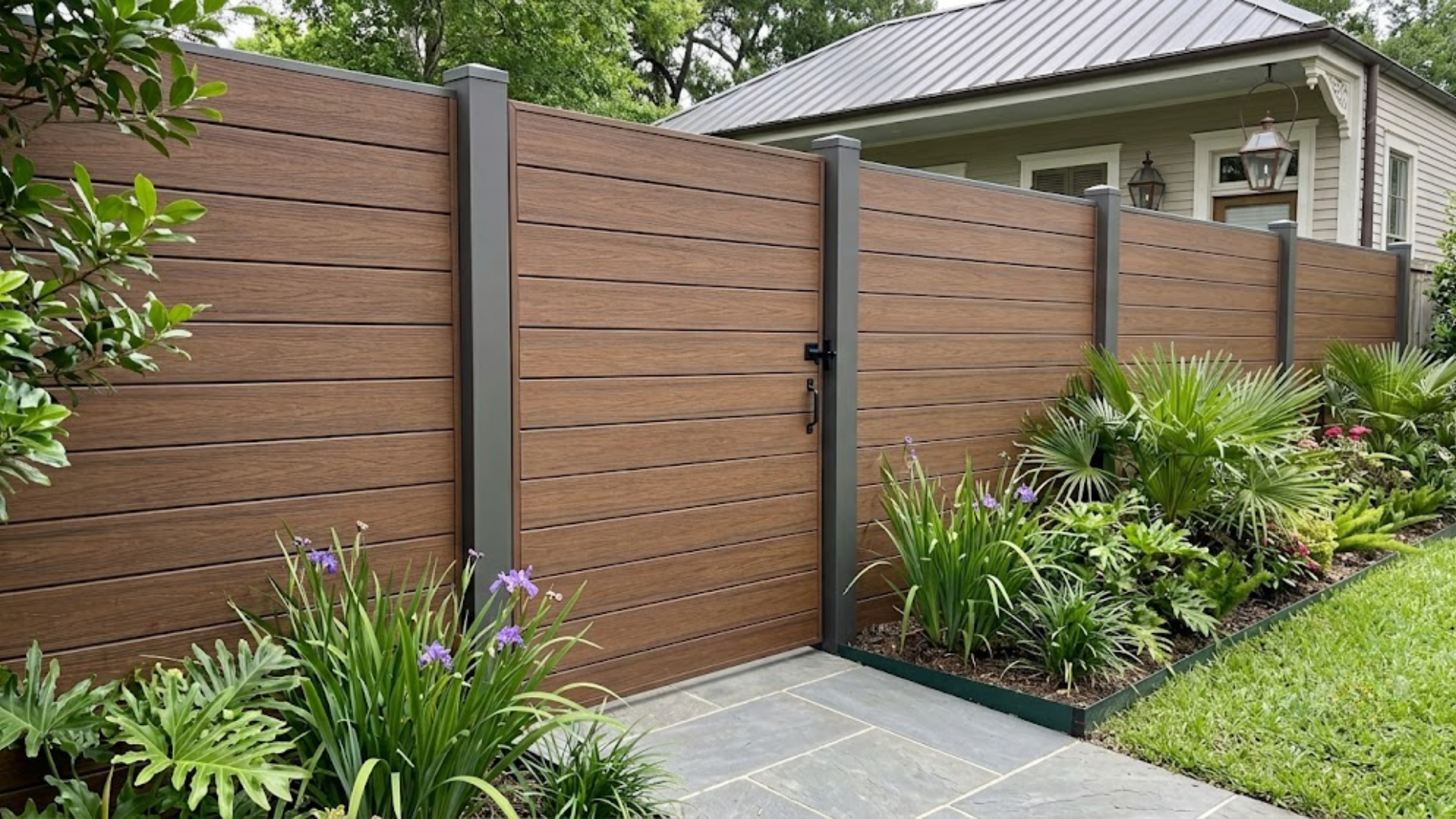
Matching Fence Design to Property Needs
A well-designed fence does more than mark boundaries—it works with your property’s layout, elevation, and exposure to weather. Custom Fence Design allows homeowners to choose styles that improve airflow, privacy, and strength where it matters most.
In neighborhoods around New Orleans, where lot sizes and ground conditions vary, a custom approach helps avoid common issues like uneven settling or poor drainage impact.
Blending Function and Aesthetics
Composite fencing offers more consistent color and finish options, while wood provides a traditional look that some homeowners prefer. With custom design, both materials can be adapted to match architectural styles, whether modern homes or historic properties.
For larger properties, combining design with solutions like
Commercial Fencing New Orleans can also provide stronger perimeter security while maintaining visual appeal.
What’s the Real Difference in Fencing Materials Comparison?
Upfront Cost vs Lifetime Value
Wood fencing usually has a lower initial cost, making it attractive for budget-conscious projects. However, when you factor in maintenance, repairs, and shorter lifespan, the total cost often increases over time.
Composite fencing has a higher upfront price but lower long-term expenses. This is where the fencing materials comparison becomes important—what you save today may cost more later if maintenance piles up.
Appearance and Aging Over Time
Wood naturally changes color, fades, and can develop inconsistencies as it ages. Some homeowners like this weathered look, but others prefer a more uniform appearance.
Composite fencing maintains a consistent finish, even after years of sun and rain exposure. This makes it a popular option for homeowners who want predictable curb appeal without constant upkeep.
For properties with added access needs, pairing fencing with
Automatic Gate Systems in New Orleans can also improve both function and security.
Why New Orleans Homes Need the Right Fence Choice
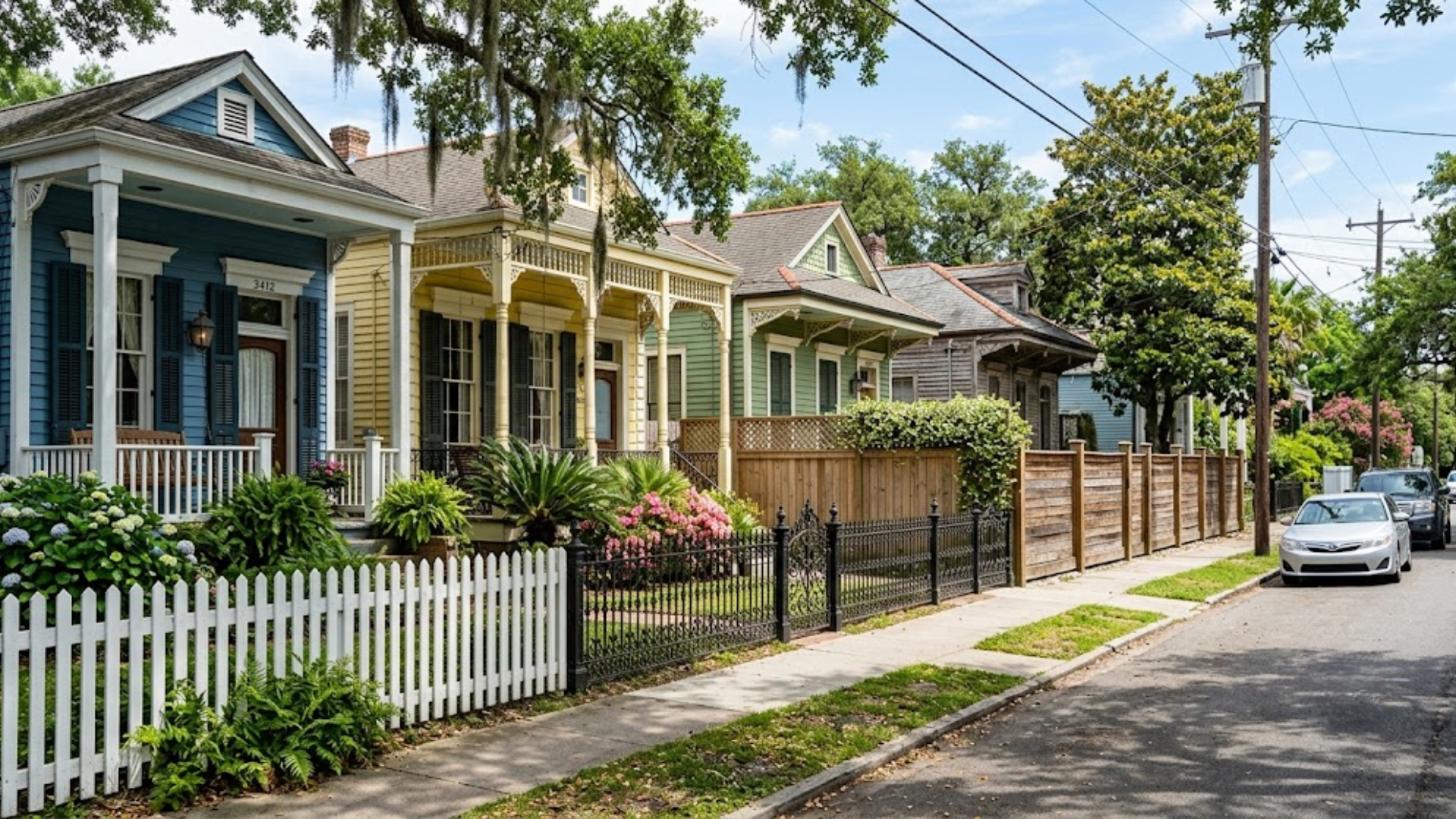
New Orleans presents unique challenges for any exterior structure. Flood risk, humidity, and storm exposure all play a role in how long a fence will last. Choosing between composite and wood isn’t just about style—it’s about selecting a material that can handle local conditions with fewer issues over time.
Homes across New Orleans and surrounding areas benefit most when fencing is matched to both soil conditions and weather exposure. That’s why many homeowners in the region are shifting toward composite solutions for long-term stability.
Get a Fence Built for Your Property in New Orleans
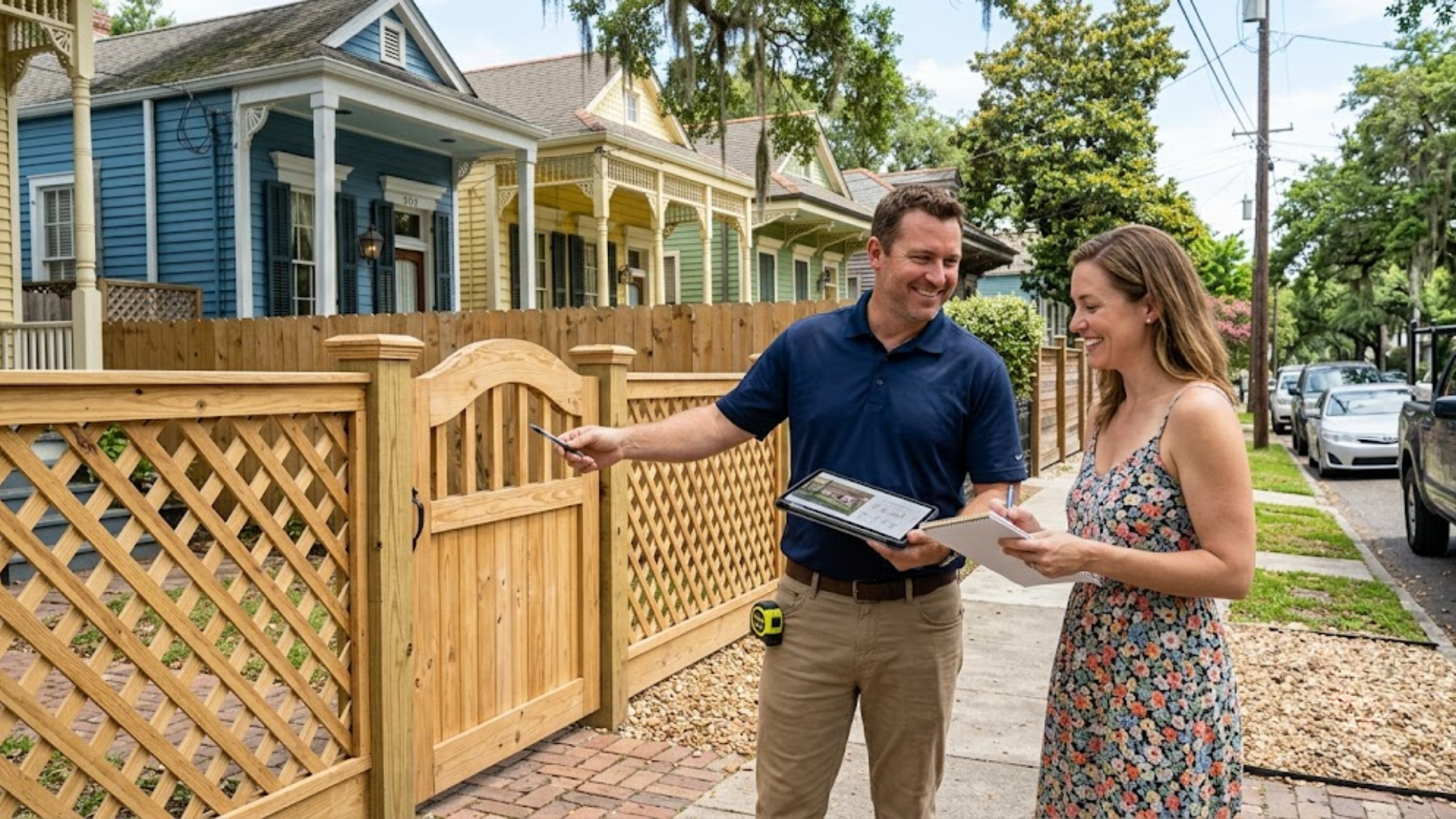
Acme Fence helps homeowners choose between composite and wood fencing based on real property conditions, not guesswork. Whether you’re planning a new installation or upgrading an existing fence, our team can help you design a solution that fits your home and your budget.
Call Acme Fence at 504-464-0600 to schedule a consultation and explore your options for custom fencing in New Orleans, LA.
Frequently Asked Questions
Is composite fencing better than wood in Louisiana?
Composite fencing generally performs better in Louisiana’s humid and storm-prone climate. It resists moisture damage, which helps reduce warping and rot compared to wood. However, wood can still be a good option for homeowners who prefer a traditional look and are willing to maintain it regularly.
How long does a composite fence last compared to wood?
A well-installed composite fence can last significantly longer than wood, often decades with minimal maintenance. Wood fences typically require more frequent repairs and may need full replacement sooner due to rot and weather exposure.
What is the maintenance difference between composite and wood fencing?
Wood fencing needs regular sealing, staining, or painting to protect it from moisture. Composite fencing only requires occasional cleaning with water and mild soap, making it easier to maintain long term.
Does composite fencing cost more than wood?
Yes, composite fencing usually has a higher upfront cost. However, it often becomes more cost-effective over time due to reduced maintenance and fewer repairs.
Can I mix fencing types with gates or custom designs?
Yes, many homeowners combine fencing types with features like gates or decorative sections. Custom design options make it possible to integrate different materials while maintaining a consistent look and function.
New Orleans homeowners looking for a fence that holds up in local weather conditions often find that the right material choice makes all the difference. Whether you lean toward wood or composite, Acme Fence can help you design and install a solution that fits your property and lasts for years to come.